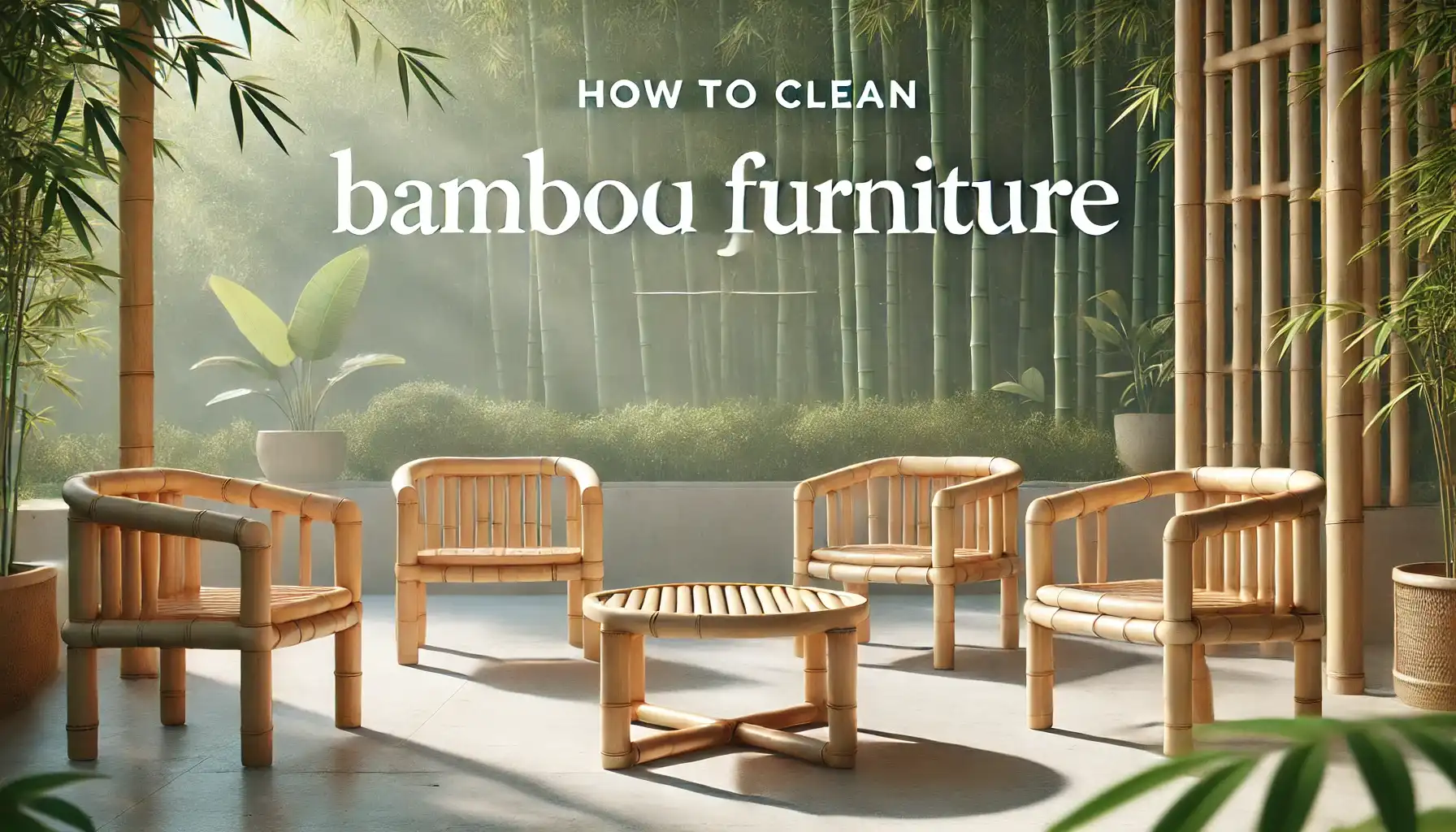

How to Weatherproof Bamboo Outdoor Furniture: Step-by-Step
As summer approaches, many of us are eager to spend time in our gardens or on our patios, enjoying the beauty of nature. However, if you have bamboo outdoor furniture, you might be concerned about how well it can withstand the elements. Bamboo is a fantastic choice for outdoor furniture due to its natural aesthetic and sustainability, but without proper weatherproofing, it can become damaged by rain, sun, and temperature fluctuations.
Did you know that untreated bamboo can absorb moisture, leading to warping or mould growth? This means that failing to weatherproof your bamboo outdoor furniture can not only diminish its appearance but also decrease its lifespan. In this comprehensive guide, we’ll walk you through the essential steps to weatherproof your bamboo furniture, ensuring it remains a beautiful and functional part of your outdoor space for years to come.
Understanding Bamboo and Its Natural Properties
Bamboo is a unique material known for its durability and resilience. However, it’s vital to understand that bamboo is still a natural product and can be susceptible to environmental factors. When exposed to moisture, bamboo can swell and become discoloured, and prolonged exposure to UV rays can lead to fading.
Weatherproofing your bamboo furniture is crucial, especially if you live in an area with significant rainfall or strong sunlight. The process involves sealing and protecting the bamboo to prevent water penetration and UV damage.
Step 1: Clean the Bamboo Furniture
Before you begin the weatherproofing process, it’s essential to start with clean furniture. Dust, dirt, and grime can interfere with the protective finish, so take time to clean your bamboo thoroughly.
- Materials Needed: Mild soap, warm water, soft cloth or sponge, and a soft-bristled brush.
Mix mild soap with warm water and use a soft cloth or sponge to wipe down the surfaces. For hard-to-reach areas, a soft-bristled brush can be useful. After cleaning, rinse with clean water to remove any soap residue, and allow the furniture to dry completely in a shaded area before proceeding.
Step 2: Choose the Right Weatherproofing Product
There are various products available for weatherproofing bamboo outdoor furniture, including oils, stains, and sealants. Each has its advantages, so it’s essential to choose a product that suits your needs.
- Bamboo Oil: A natural option that penetrates the bamboo, enhancing its colour and providing moisture resistance. Expect to pay around £10-£20 for a good quality oil.
- Outdoor Wood Stain: Provides a protective layer and UV resistance. Prices range from £15-£30 per litre.
- Sealants: Clear sealants offer robust protection against moisture and UV rays. A quality sealant may cost between £15-£25.
When selecting a product, consider the climate where you live and the desired finish. For example, if you prefer a natural look, bamboo oil may be the best option. If you want colour and protection, an outdoor stain could be ideal.
Step 3: Apply the Weatherproofing Product
Once you’ve chosen the right product, it’s time to apply it properly. Follow the manufacturer’s instructions carefully for the best results.
- Tools Needed: Paintbrush or cloth for oil, roller for stain, and a spray applicator for sealants.
- Application Tips: Work in a well-ventilated area, ideally on a dry day to ensure proper drying and curing.
Apply the product evenly, ensuring you cover all surfaces, including the undersides of tables and chairs. For oils, apply a liberal amount and allow it to soak in for about 15 minutes before wiping off the excess. For stains, you may need multiple coats to achieve the desired colour, allowing adequate drying time between each layer. Sealants generally require a single coat followed by a thorough cure time.
Step 4: Regular Maintenance and Reapplication
Weatherproofing your bamboo furniture isn’t a one-time task. To maintain its beauty and durability, regular maintenance is essential. Depending on your climate and usage, you may need to reapply your chosen product every 6 to 12 months.
To assess if reapplication is necessary, check for signs of wear such as discolouration or water absorption. If water beads on the surface, the protective layer is still effective. However, if it soaks in, it’s time to reapply your weatherproofing product.
Step 5: Additional Tips for Longevity
In addition to weatherproofing, there are other steps you can take to prolong the life of your bamboo outdoor furniture. Here are a few tips:
- Store Indoors: When not in use, consider storing your furniture indoors or in a covered area to protect it from harsh weather.
- Use Furniture Covers: Invest in protective covers that are breathable and water-resistant to shield your furniture from the elements.
- Avoid Direct Sunlight: Position your furniture in shaded areas to minimise UV damage.
By following these steps, you can ensure that your bamboo outdoor furniture remains in excellent condition and continues to be a stunning addition to your outdoor living space.
Frequently Asked Questions
1. Can I leave bamboo outdoor furniture out in the rain?
While bamboo is naturally resistant to moisture to some extent, prolonged exposure to rain without weatherproofing can lead to damage. It’s best to cover or store it during heavy rain.
2. How often should I weatherproof my bamboo furniture?
Reapplication of the weatherproofing product should be done every 6 to 12 months, depending on your climate and the wear on the furniture.
3. What is the best way to clean bamboo outdoor furniture?
Use a mixture of mild soap and warm water with a soft cloth or sponge. Rinse with clean water and allow it to dry completely.
4. Is bamboo furniture durable in outdoor conditions?
Yes, bamboo furniture is durable; however, without proper weatherproofing, it can be susceptible to damage from moisture and UV rays.
5. Can I use regular wood stains on bamboo furniture?
While you can use regular wood stains, it’s best to use products specifically designed for bamboo or outdoor use to ensure compatibility and effectiveness.
Conclusion
Weatherproofing your bamboo outdoor furniture is a crucial step in maintaining its beauty and functionality. By following the steps outlined in this guide, you can protect your investment and enjoy your outdoor space for years to come. Remember to choose the right weatherproofing product, apply it properly, and engage in regular maintenance to keep your furniture looking its best.
If you’re interested in learning more about caring for your bamboo furniture or exploring sustainable living options, check out our other articles on bamboo care and eco-friendly home décor. Your outdoor oasis awaits!
This post may contain affiliate links, which means I may receive a commission for purchases made through the links. I will only recommend products that I have personally used! Learn more on my Disclosure page!