

Bamboo vs Metal Furniture for Modern Homes: A Thoughtful Comparison
Choosing between bamboo and metal furniture for your modern home isn’t just about aesthetics. It’s about finding pieces that reflect your values, fit your lifestyle, and stand the test of time. In my years of working with both materials, I’ve seen how each brings something unique to the table. Let me walk you through what really matters when making this decision.
Table of Contents
- Durability Showdown: How Long Will It Last?
- Climate Considerations: Indoor vs Outdoor Performance
- Aesthetic Appeal: Matching Your Home’s Personality
- Maintenance Reality Check: What You’re Signing Up For
- Cost Breakdown: The Numbers Behind the Choice
- Environmental Impact: Sustainability Matters
- Practical Decision Guide: Making Your Choice
- Frequently Asked Questions
Durability Showdown: How Long Will It Last?
This is where the rubber meets the road, as they say. Both bamboo and metal have their strengths, but they excel in different scenarios.
Bamboo’s Natural Resilience
Bamboo furniture, particularly when made from mature bamboo poles, offers remarkable strength-to-weight ratio. The fiber structure runs lengthwise, creating pieces that resist bending under normal use. I’ve seen bamboo dining tables that have comfortably seated families for over two decades.
However, bamboo’s Achilles heel is moisture. Without proper treatment, it can warp or develop mold in humid conditions. Quality bamboo furniture should be carbonized and sealed with natural oils or polyurethane finishes.

Metal’s Industrial Strength
Metal furniture, especially powder-coated aluminum or steel, stands up to wear like a champ. It won’t rot, split, or attract termites. A well-made metal chair can handle being moved around daily without showing signs of stress.
The trade-off? Metal can scratch, dent, or rust over time. Lower-quality metal furniture often shows wear within a few years, particularly if the powder coating chips.
Head-to-Head Durability Comparison
| Factor | Bamboo Furniture | Metal Furniture |
|---|---|---|
| Scratch Resistance | Moderate – can dent or scratch | High – especially powder-coated finishes |
| Moisture Resistance | Low to Moderate – requires sealing | High – won’t rot or swell |
| Structural Integrity | High – strong natural fiber | Very High – especially steel |
| Lifespan Indoors | 15-25 years with care | 20-40+ years |
| Lifespan Outdoors | 5-10 years (covered areas) | 10-25 years (aluminum) |
Climate Considerations: Indoor vs Outdoor Performance
Where you plan to use your furniture makes a huge difference in this decision.
Indoor Applications
For indoor use, both materials perform well. Bamboo adds warmth to modern spaces, creating that perfect balance between sleek lines and natural texture. I’ve installed bamboo bedroom sets in homes across various climates, and they’ve held up beautifully.
Metal works exceptionally well indoors too. It’s easy to clean, doesn’t harbor allergens, and pairs beautifully with glass, wood, or concrete surfaces.
Outdoor Applications
This is where the materials diverge significantly. If you’re furnishing a patio, deck, or garden area:
- Bamboo: Best suited for covered outdoor spaces. Even treated bamboo should be brought inside during heavy rain or winter months in colder climates.
- Metal: Aluminum is practically made for outdoor use. It won’t rust, handles temperature extremes well, and requires minimal maintenance.
For coastal areas, salt air can be particularly challenging. I always recommend aluminum over steel near oceans, regardless of whether you choose bamboo or metal for your main pieces.
Temperature Sensitivity
Bamboo expands and contracts with humidity changes. In homes with radiant heating or air conditioning that runs constantly, this can cause joints to loosen over time. Metal expands more predictably and generally handles temperature fluctuations better.

Aesthetic Appeal: Matching Your Home’s Personality
This is where personal preference really comes into play. Both materials can create stunning visual impact.
Bamboo’s Organic Modern Appeal
Bamboo brings a sense of calm to any space. Its natural grain patterns and warm tones complement modern design beautifully. Think clean lines enhanced by organic textures.
Popular bamboo furniture styles include:
- Minimalist: Simple bamboo frames with neutral cushions
- Japandi: Clean bamboo lines paired with Scandinavian functionality
- Bohemian: Curved bamboo pieces with rich, patterned textiles
Metal’s Architectural Edge
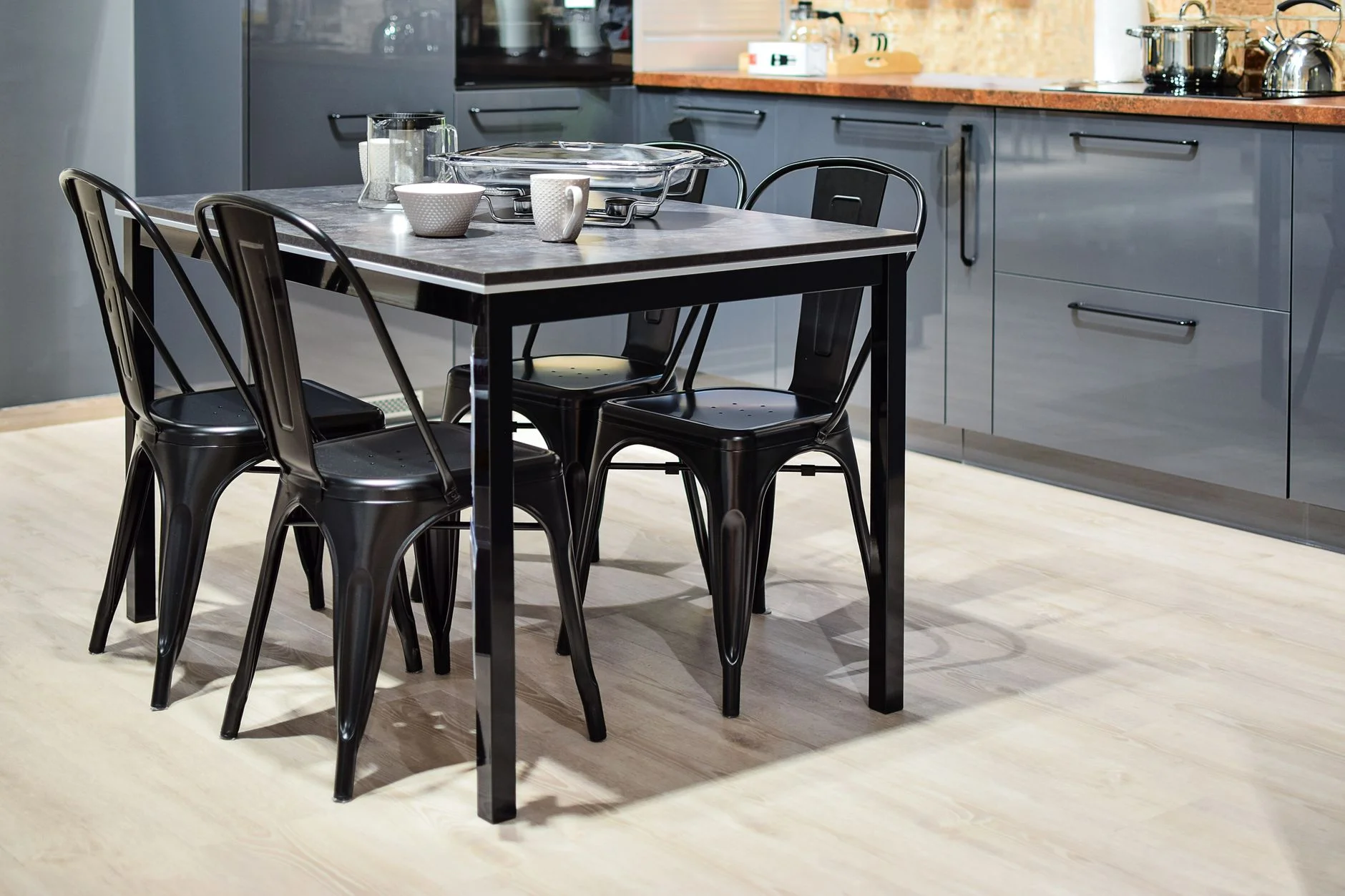
Metal furniture makes a bold statement. It’s perfect for industrial, modern, or contemporary interiors. The material itself becomes part of the design language.
Common metal furniture aesthetics:
- Industrial: Black steel frames with reclaimed wood tops
- Scandinavian Modern: Light aluminum pieces with clean geometry
- Art Deco: Ornate metalwork with geometric patterns
Color and Finish Options
Bamboo naturally ranges from golden honey to deep amber, depending on the carbonization process. You can stain it darker or leave it natural. More details on bamboo interior design trends here.
Metal offers virtually unlimited color options through powder coating. From matte black to vibrant blues, the possibilities are endless. However, darker colors tend to heat up more in direct sunlight.
Maintenance Reality Check: What You’re Signing Up For
Let’s talk honestly about upkeep. Because no matter how beautiful your furniture is, if maintenance becomes a chore, you won’t enjoy it.
Caring for Bamboo Furniture
Bamboo requires more attention than most people realize. Here’s what you’re committing to:
- Dusting: Weekly dusting with a soft cloth
- Deep cleaning: Monthly cleaning with mild soap and water
- Re-sealing: Every 1-2 years with tung oil or polyurethane
- Spot treatment: Immediate attention to spills and stains
I’ve found that using coasters, placemats, and tablecloths extends bamboo furniture life significantly. Direct contact with hot dishes or wet glasses can leave permanent marks.
Caring for Metal Furniture
Metal furniture is generally low-maintenance, but there are nuances:
- Routine cleaning: Wipe down with damp cloth monthly
- Scratch inspection: Check for chips in powder coating regularly
- Rust prevention: Touch up scratches immediately with matching paint
- Outdoor storage: Cover or store during harsh weather if possible
Aluminum requires almost no maintenance beyond occasional cleaning. Steel needs more vigilance, especially in humid climates.
Time Investment Comparison
If you’re someone who prefers to spend your weekends relaxing rather than maintaining furniture, metal wins decisively. Bamboo rewards attention with beauty, but it demands that attention consistently.

Cost Breakdown: The Numbers Behind the Choice
Price often makes the decision for you, even when you’d prefer to ignore it.
Initial Purchase Costs
Entry-level bamboo furniture sets typically cost 20-40% less than comparable metal pieces. However, this gap narrows considerably with high-end options.
Here’s what you might expect for a 6-person dining set:
| Quality Level | Bamboo Set Range | Metal Set Range |
|---|---|---|
| Budget | $300-$600 | $400-$800 |
| Mid-range | $800-$1,500 | $1,000-$2,000 |
| Premium | $2,000-$4,000 | $2,500-$5,000 |
Long-term Ownership Costs
This is where things get interesting. Bamboo furniture requires periodic re-sealing, which adds $50-$150 every couple of years depending on the piece size.
Metal furniture might need touch-up paint or professional refinishing, costing $100-$300 every 5-10 years.
Over a 20-year period, the total cost of ownership between quality bamboo and quality metal furniture ends up being surprisingly similar.
Replacement Frequency
Budget bamboo furniture may need replacement every 5-7 years. Budget metal furniture, if it rusts or the coating fails, might need replacing every 3-5 years.
Investing in quality pieces from the start pays dividends in longevity.
Environmental Impact: Sustainability Matters
If you’re reading BambooFurnitureTalk.com, sustainability probably matters to you. Let’s examine both materials honestly.
Bamboo’s Green Credentials
Bamboo is a rapidly renewable resource. It matures in 3-5 years compared to 20-50 years for hardwoods. It absorbs more CO2 per acre than many tree species and doesn’t require pesticides or fertilizers.
However, not all bamboo furniture is created equal. Some manufacturers use glue with formaldehyde or harvest bamboo before it reaches maturity. Look for FSC certification and formaldehyde-free adhesives.
Metal’s Environmental Story
Metal furniture has a mixed environmental profile. Aluminum is highly recyclable and recycling it uses 95% less energy than producing new aluminum. Steel is similarly recyclable.
The challenge lies in extraction and initial processing. Mining bauxite for aluminum and iron ore for steel creates significant environmental disruption.
Carbon Footprint Comparison
Manufacturing bamboo furniture generally produces less carbon than metal furniture. Transportation matters too. If your bamboo furniture is imported from Asia, that carbon footprint increases significantly.
Locally-sourced metal furniture might have a lower overall environmental impact than overseas bamboo pieces.

Practical Decision Guide: Making Your Choice
After working with both materials extensively, here’s my straightforward advice:
Choose Bamboo If:
- You want warm, organic aesthetics in your space
- Your furniture will stay primarily indoors
- You don’t mind regular maintenance as part of ownership
- Sustainability is a top priority for you
- You’re working within a tighter budget initially
Choose Metal If:
- You need furniture that can handle outdoor conditions
- You prefer low-maintenance solutions
- Your design aesthetic leans industrial or ultra-modern
- You want maximum durability and longevity
- You have children or pets who might be rough on furniture
Mixed Approach Strategy
What I’ve found works best for many homeowners is combining both materials. A bamboo dining table paired with metal chairs, or metal-framed bamboo patio furniture, gives you the benefits of both worlds.
This approach also adds visual interest and prevents your space from feeling too uniform.
Questions to Ask Yourself
Before making your final decision, consider:
- Where exactly will this furniture live?
- How much time are you willing to invest in maintenance?
- What’s your budget for both initial purchase and ongoing care?
- Which material makes you feel most excited when you see it?
- Do you have specific durability requirements based on usage?
[INTERNAL LINK: bamboo furniture buying checklist → suggested topic/page]
Frequently Asked Questions
Can bamboo furniture be used outdoors?
Bamboo furniture can work outdoors, but only in covered areas with protection from direct rain and excessive humidity. Even treated bamboo should be brought inside during winter months in colder climates. For true outdoor furniture, aluminum or powder-coated steel will serve you much better.
Is metal furniture safe for indoor air quality?
Yes, modern metal furniture is perfectly safe for indoor air quality. Powder-coated finishes contain no volatile organic compounds once cured. The main consideration is choosing pieces finished with low-VOC or water-based coatings if you have chemical sensitivities.
How do I know if bamboo furniture is sustainably sourced?
Look for FSC (Forest Stewardship Council) certification, which ensures responsible forest management. Also check that the manufacturer specifies the bamboo species and age at harvest. Moso bamboo, harvested at 5-7 years, is the gold standard for furniture making.
Will metal furniture get too hot in summer sun?
Dark-colored metal furniture can become quite hot in direct sunlight. Lighter colors and perforated designs help reduce heat absorption. If you’re placing metal furniture in sunny spots, consider using cushions or umbrellas for comfort.
Can I refinish bamboo furniture myself?
Yes, with the right approach. Sand the surface lightly, clean thoroughly, then apply two coats of tung oil or polyurethane. Allow proper drying time between coats. For significant damage or deep scratches, you might need to consult a professional furniture restorer.
Wrapping Up
The choice between bamboo and metal furniture isn’t about finding the “better” material. It’s about finding the right material for your specific needs, lifestyle, and aesthetic preferences.
In my experience, the happiest homeowners are those who choose based on honest assessment of their daily realities rather than trends or assumptions. If you love the look of bamboo but live in a rainy climate, maybe that metal dining set is actually your perfect match.
What I’ve learned is that quality matters more than material. A well-crafted bamboo chair will outlast a poorly-made metal one, and vice versa. Invest in solid construction, reputable manufacturers, and materials that align with how you actually live.
Your home deserves furniture that serves you well for years to come. Take the time to choose wisely.
This post may contain affiliate links, which means I may receive a commission for purchases made through the links. I will only recommend products that I have personally used! Learn more on my Disclosure page!
