

Eco-Friendly Kitchen Makeover with Bamboo
Transforming your kitchen into an eco-friendly haven doesn’t have to be an overwhelming task. The secret lies in choosing materials that are sustainable, durable, and aesthetically pleasing. Bamboo checks all these boxes, offering a stylish and earth-conscious solution for your kitchen makeover.
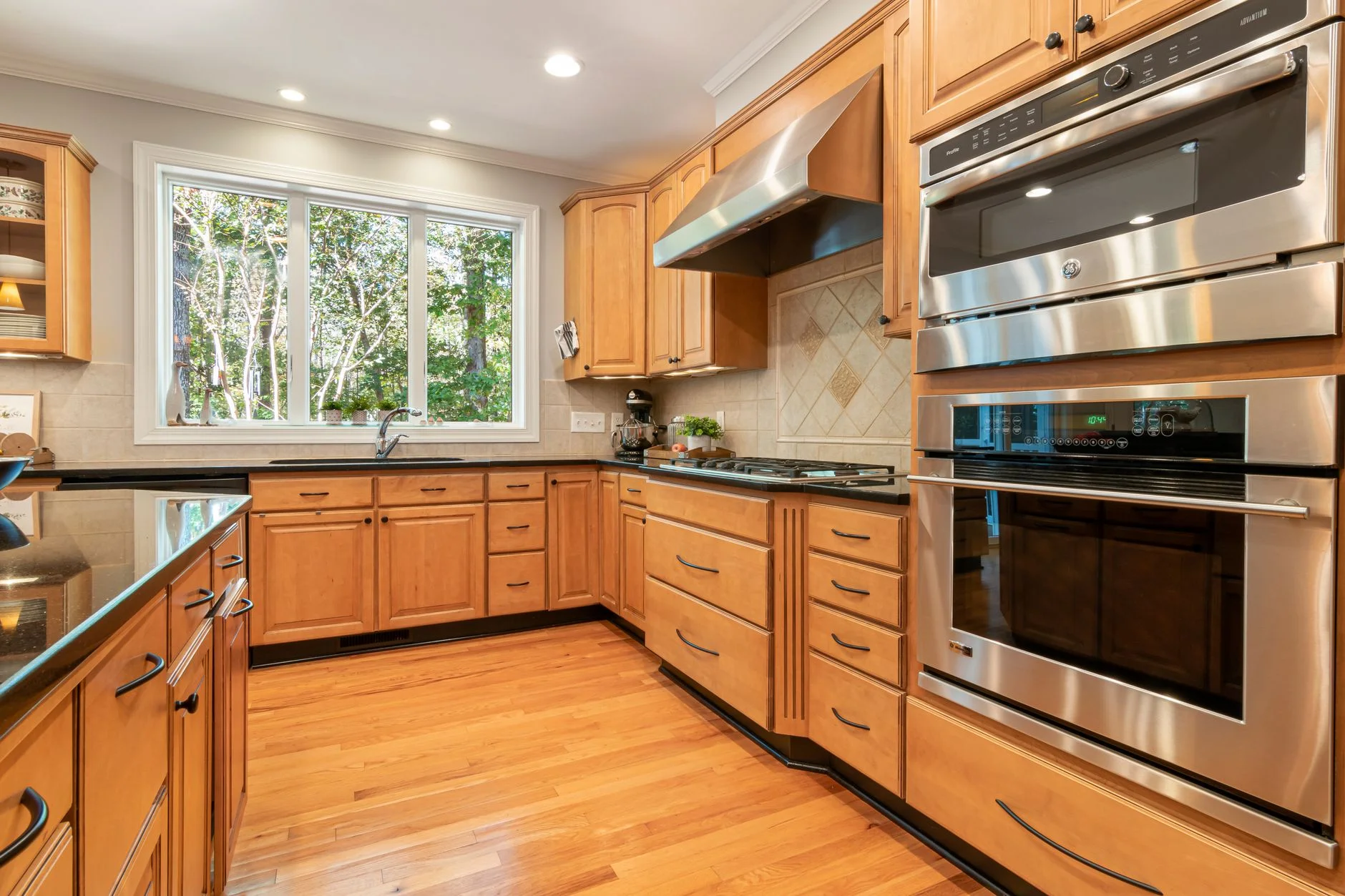
Curtis Adams
on Pexels
- Why Choose Bamboo for Your Kitchen Makeover?
- Bamboo Cabinets: A Sustainable Choice
- Bamboo Countertops: Beauty Meets Functionality
- Eco-Friendly Bamboo Flooring Options
- Tips for Installing Bamboo in Your Kitchen
- Bamboo Kitchen Products Comparison
- Frequently Asked Questions
- Wrapping Up
Why Choose Bamboo for Your Kitchen Makeover?
In my experience, bamboo stands out as an exceptional material for eco-friendly renovations, particularly in the kitchen. But you might be wondering why bamboo should be your top choice. Simply put, bamboo is a rapidly renewable resource, growing to maturity in just three to five years, unlike traditional hardwoods that might take decades. This fast growth cycle makes it incredibly sustainable.
Moreover, bamboo is highly durable and resistant to moisture, which is crucial for kitchen environments. Its naturally dense fibers make it perfect for withstanding the daily wear and tear that kitchen surfaces endure. Bamboo’s aesthetic appeal is undeniable, offering a warm, earthy ambiance that suits both modern and traditional kitchen designs.
Aside from its physical attributes, bamboo’s environmental benefits are significant. It releases 35% more oxygen into the atmosphere than an equivalent stand of trees, helping to reduce carbon footprints. By opting for bamboo, you’re making a choice that benefits the environment, your health, and your home’s value.
Bamboo Cabinets: A Sustainable Choice
Cabinets are a focal point of any kitchen, and choosing bamboo cabinets can make a striking impact. What I’ve learned after years of working with bamboo is that its versatility and strength make it ideal for cabinetry. Bamboo cabinets offer not only aesthetic appeal but also functional benefits that are perfect for busy kitchens.
When selecting bamboo cabinets, you have a range of finishes and styles to choose from. Whether you prefer a natural look with visible grain patterns or a more polished finish, there’s a bamboo option that fits your aesthetic. Popular finishes include carbonized, which gives the bamboo a rich, coffee-like color, and natural, which highlights its pale yellow hue.
- Cost: Expect to spend around $3,500 to $10,000 for high-quality bamboo cabinets, depending on your kitchen size and cabinet style.
- Durability: Bamboo is harder than oak, making it perfect for cabinets that need to withstand heavy use.
- Maintenance: Simply clean with a damp cloth and mild soap; avoid harsh chemicals that can damage the finish.
Installation of bamboo cabinets is straightforward, but it’s essential to hire a professional to ensure they are fitted perfectly. This investment not only enhances the look of your kitchen but also increases your home’s value thanks to its sustainable appeal.

christian hembert
on Pexels
Bamboo Countertops: Beauty Meets Functionality
Bamboo countertops combine beauty with functionality, making them a smart choice for eco-conscious homeowners. Their natural resilience to stains and scratches makes them ideal for kitchen use. However, it’s essential to properly seal and maintain them to maximize their lifespan.
Choosing Your Bamboo Countertop
When choosing bamboo countertops, consider the type of bamboo used and the construction method. Plyboo and Teragren are popular brands known for their quality and eco-friendly practices. Plyboo’s tops are made from 100% bamboo harvested sustainably, while Teragren offers countertops with a formaldehyde-free adhesive for enhanced air quality.
- Measure your kitchen area to determine the size of the countertop you need.
- Select a finish that complements your kitchen’s design. Options range from light natural to darker carbonized tones.
- Hire a professional installer to ensure a perfect fit and proper sealing, which is crucial for water resistance.
A well-maintained bamboo countertop can last over 10 years. Regular oiling with mineral oil or beeswax helps retain its luster and prevents drying out.
Eco-Friendly Bamboo Flooring Options
Flooring sets the tone for your kitchen’s overall look. Bamboo flooring offers an eco-friendly, stylish option that stands up to the demands of a busy kitchen. What works best in my experience is strand-woven bamboo flooring due to its unparalleled hardness and durability.
Strand-woven bamboo is created by shredding bamboo fibers and compressing them with adhesives to form planks that are twice as hard as oak. This makes it perfect for high-traffic areas. Available in a wide range of colors and finishes, bamboo flooring can suit any kitchen style from rustic to contemporary.
Maintenance is straightforward, involving regular sweeping and damp mopping. Avoid soaking the floors to preserve their finish. A key mistake most people make is not using felt pads under furniture legs to prevent scratches — a simple yet vital addition.
Tips for Installing Bamboo in Your Kitchen
Installation can make or break your kitchen makeover. Here are practical tips I’ve gathered to ensure a smooth transformation:
- Acclimate your bamboo products by leaving them in your home for at least 72 hours to adjust to humidity levels.
- Use stainless steel screws and hinges for cabinets to prevent rust from moisture exposure.
- For flooring, a floating installation method is recommended, allowing the material to expand and contract with humidity changes.
When working with bamboo, precision and patience are key. It’s tempting to rush, but careful installation ensures longevity and performance. Investing time in proper installation pays off with a stunning, sustainable kitchen you’ll love for years.

Vladimir Srajber
on Pexels
Bamboo Kitchen Products Comparison
Choosing the right bamboo products for your kitchen involves comparing their key attributes. Here’s a handy comparison table to guide your decision:
| Product Type | Durability | Cost Range |
|---|---|---|
| Bamboo Cabinets | High | $3,500 – $10,000 |
| Bamboo Countertops | Moderate | $1,500 – $4,000 |
| Bamboo Flooring | Very High | $3 – $10 per sq. ft. |
Frequently Asked Questions
Is bamboo really more sustainable than traditional wood?
Yes, bamboo is more sustainable due to its rapid growth cycle, reaching maturity in 3-5 years compared to decades for hardwoods. This makes it an excellent renewable resource.
How do I maintain bamboo kitchen surfaces?
Maintaining bamboo surfaces involves regular cleaning with mild soap and water, avoiding harsh chemicals, and periodic oiling for countertops to maintain their luster and durability.
Can bamboo withstand a high-moisture environment like a kitchen?
Yes, bamboo is naturally moisture-resistant, making it suitable for kitchens. Proper sealing and installation enhance its resistance to water damage and extend its lifespan.
Are there any downsides to using bamboo in the kitchen?
While bamboo is durable, it can still be prone to scratches and dents if not properly cared for. Using protective pads and maintaining surfaces can mitigate this risk.
Where can I purchase high-quality bamboo kitchen products?
Bamboo products can be sourced from suppliers like Plyboo and Teragren, available online and through specialty eco-friendly stores. Always check for certifications ensuring sustainable harvesting practices.

Yakup Polat
on Pexels
Wrapping Up
Embarking on an eco-friendly kitchen makeover with bamboo is a rewarding venture. By choosing bamboo, you’re not only enhancing your kitchen’s aesthetic appeal but also contributing to a healthier planet. Remember, the key steps involve selecting the right products, ensuring proper installation, and maintaining your bamboo surfaces.
Looking ahead, incorporating bamboo into your home sets a precedent for sustainable living and inspires others to follow suit. So, go forth and transform your kitchen into a beacon of eco-friendly elegance!
This post may contain affiliate links, which means I may receive a commission for purchases made through the links. I will only recommend products that I have personally used! Learn more on my Disclosure page!

